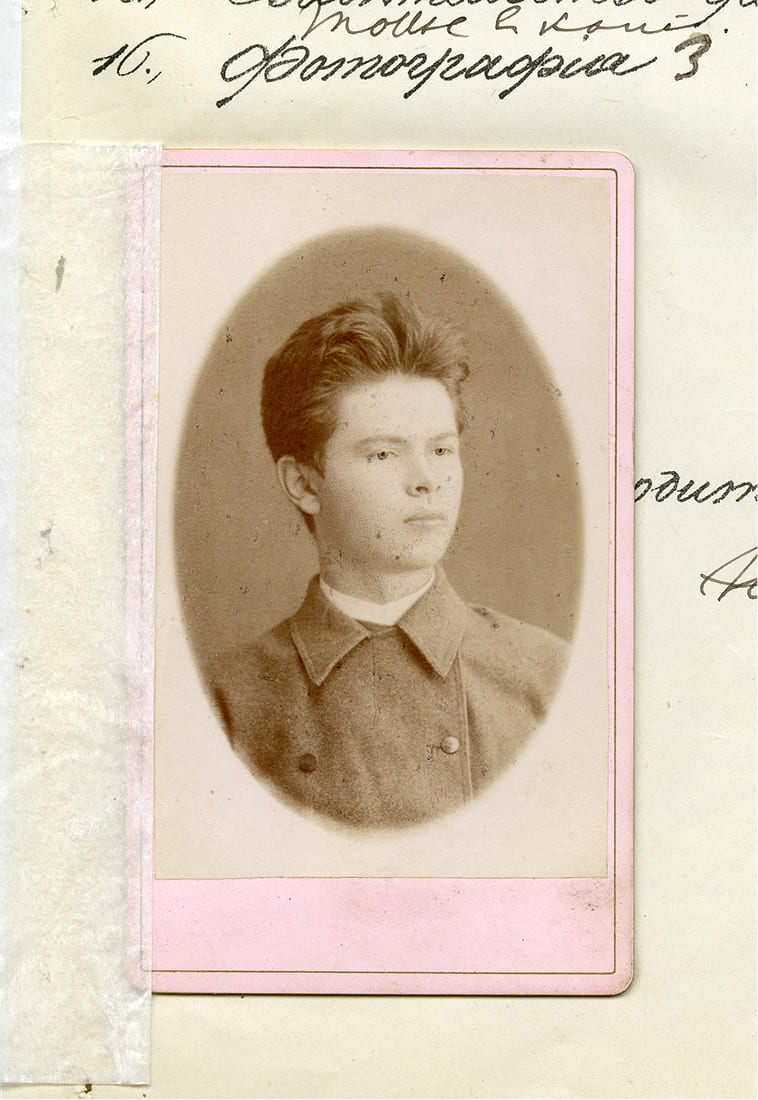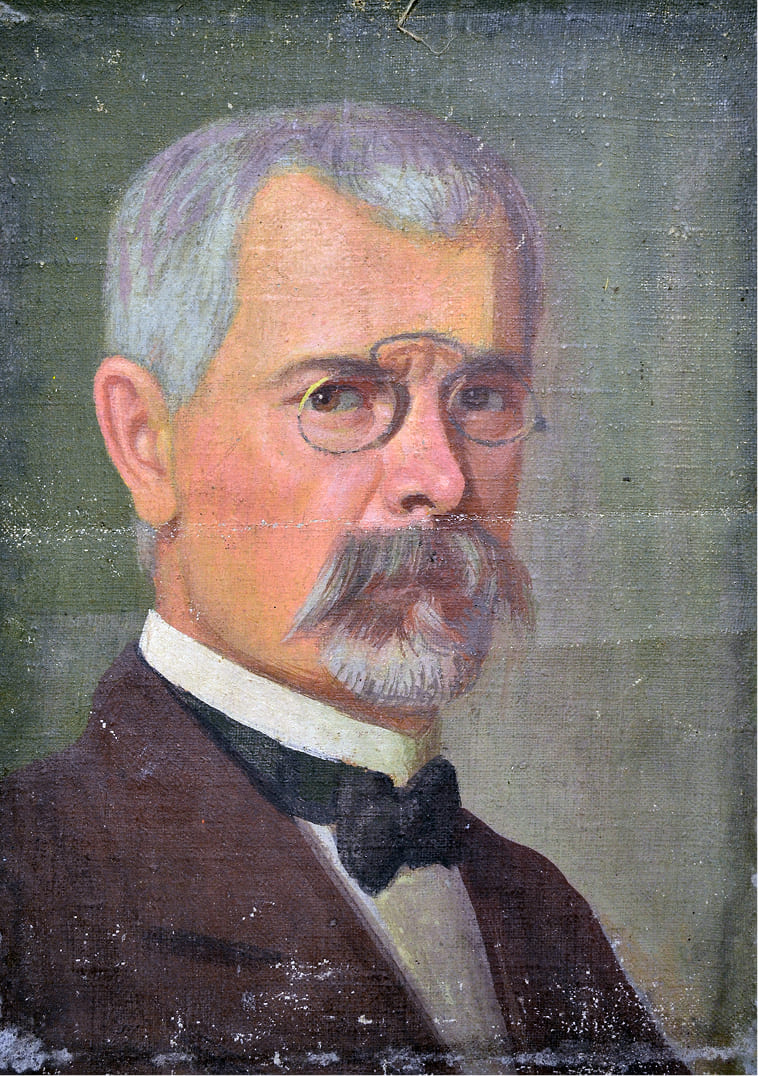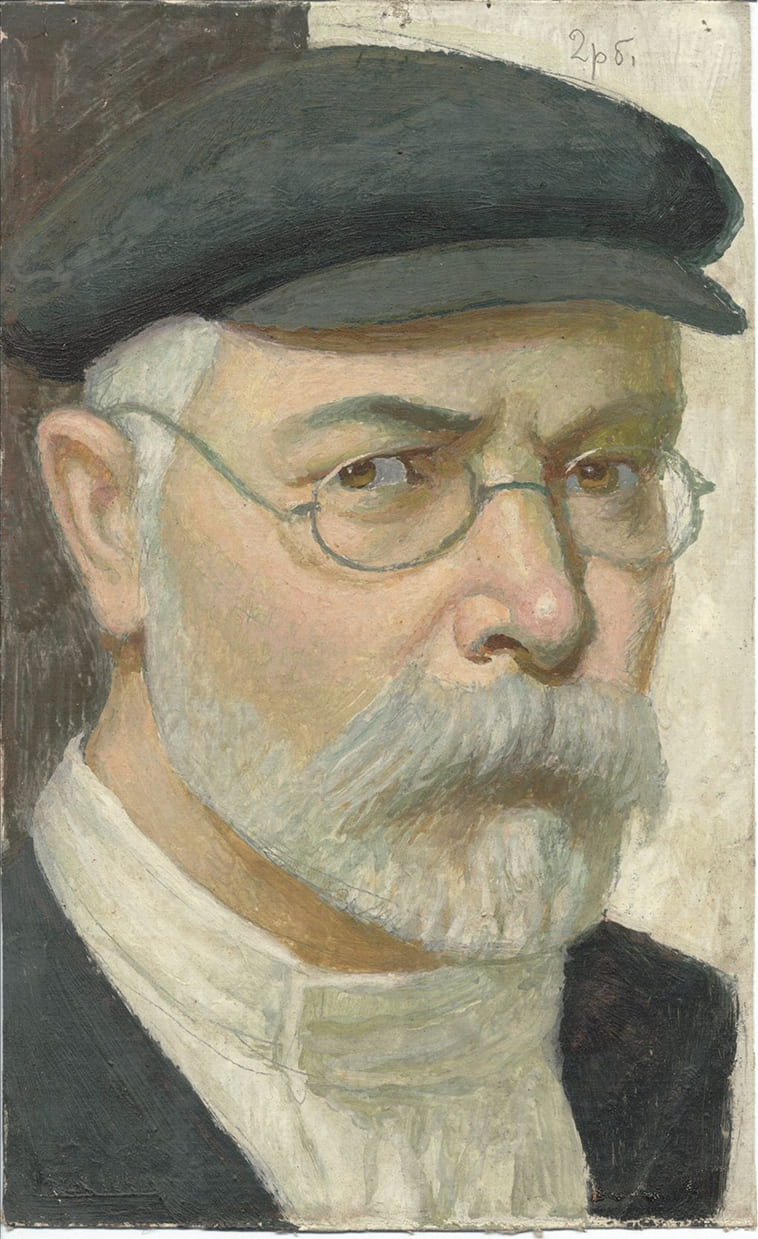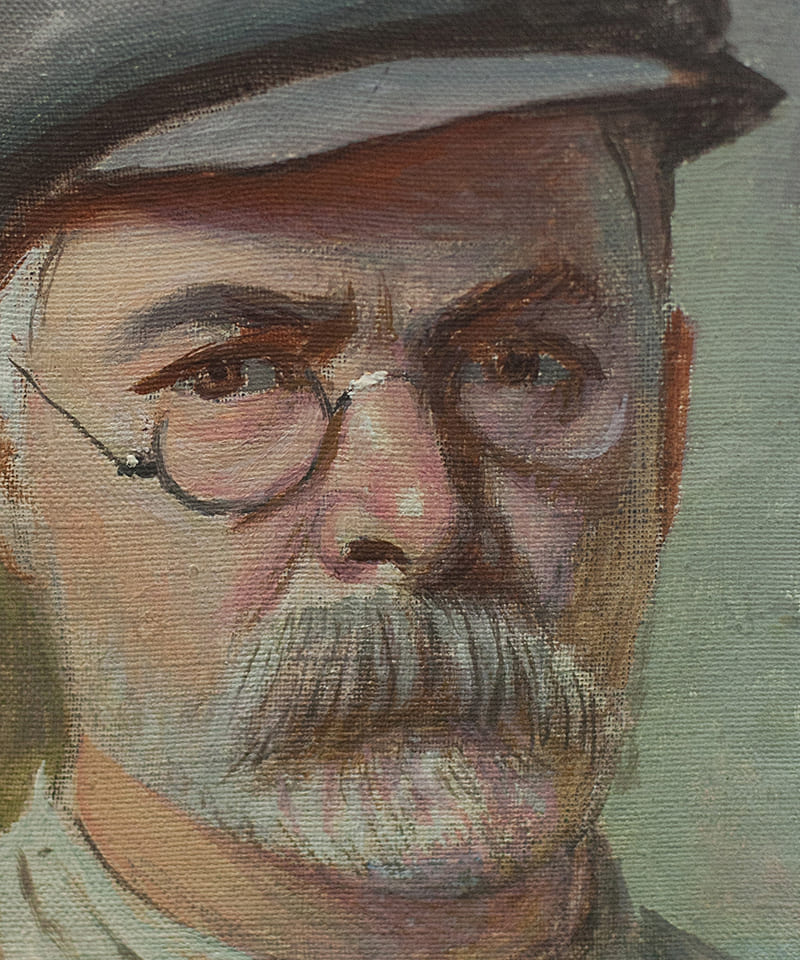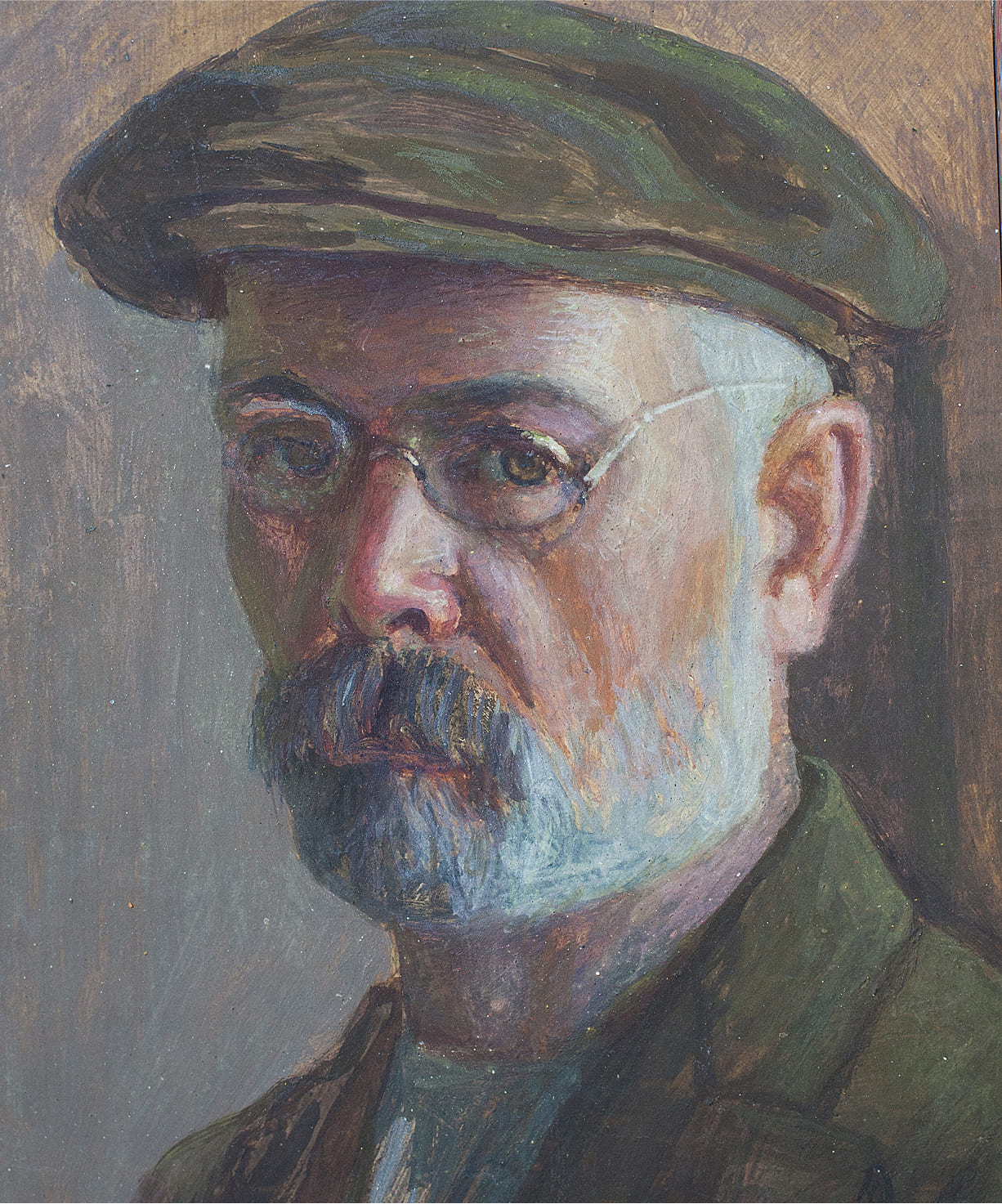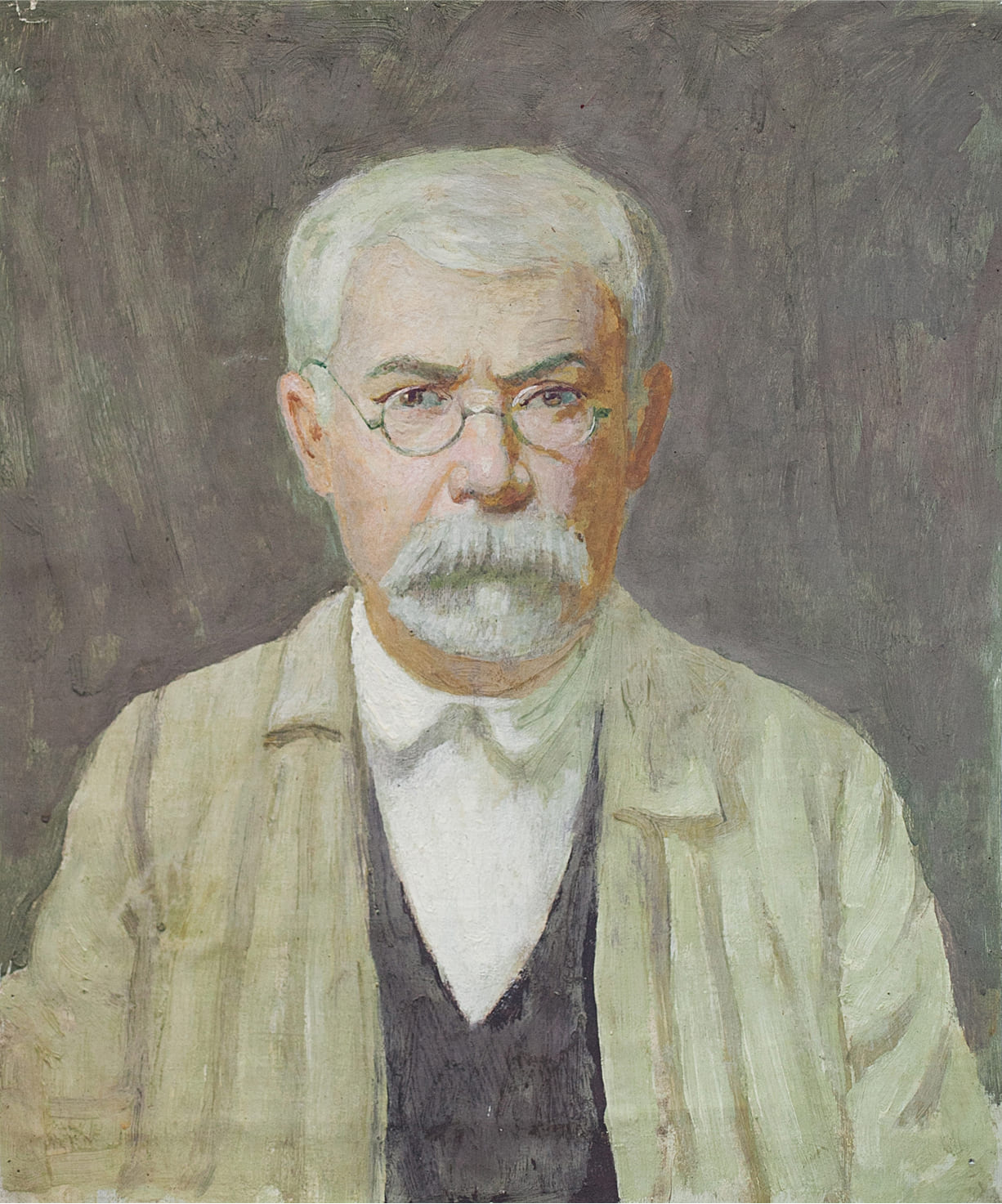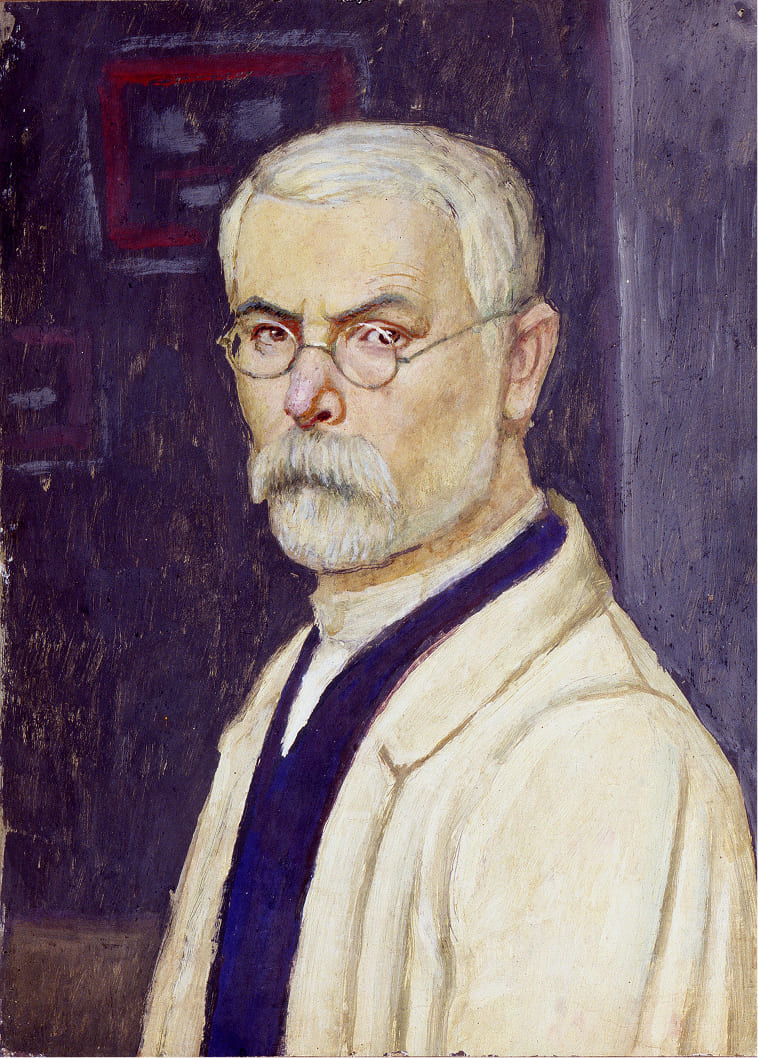
“Self-Portrait in a Purple Room.” 1920s
Oil on canvas, 46×35 cm
Collection of the Dnipro Art Museum
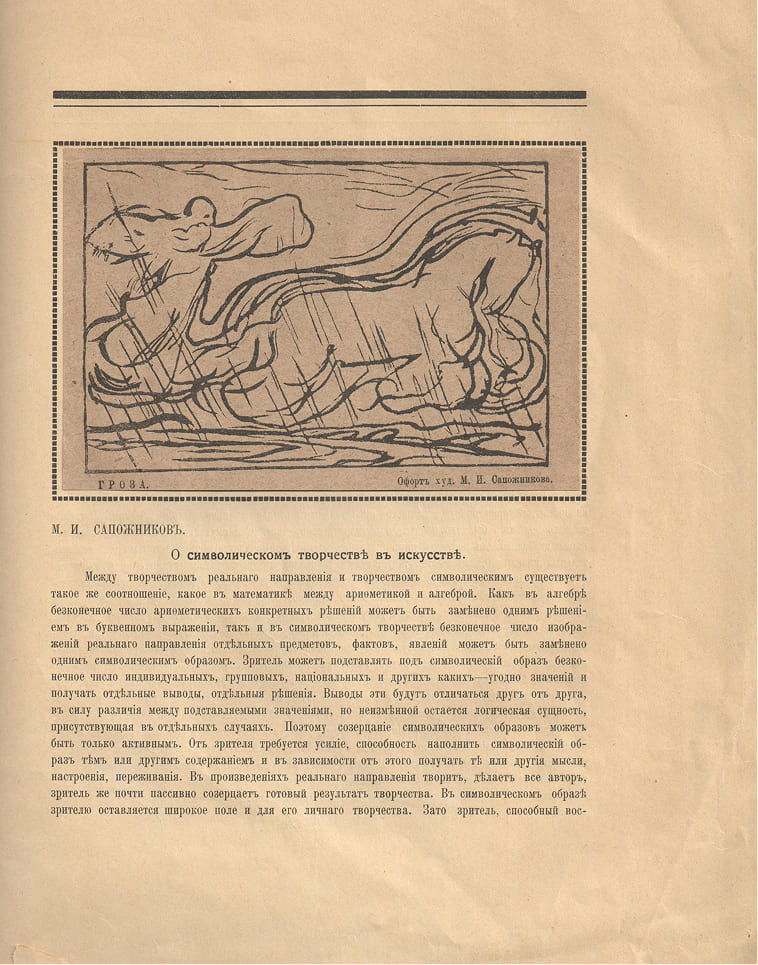
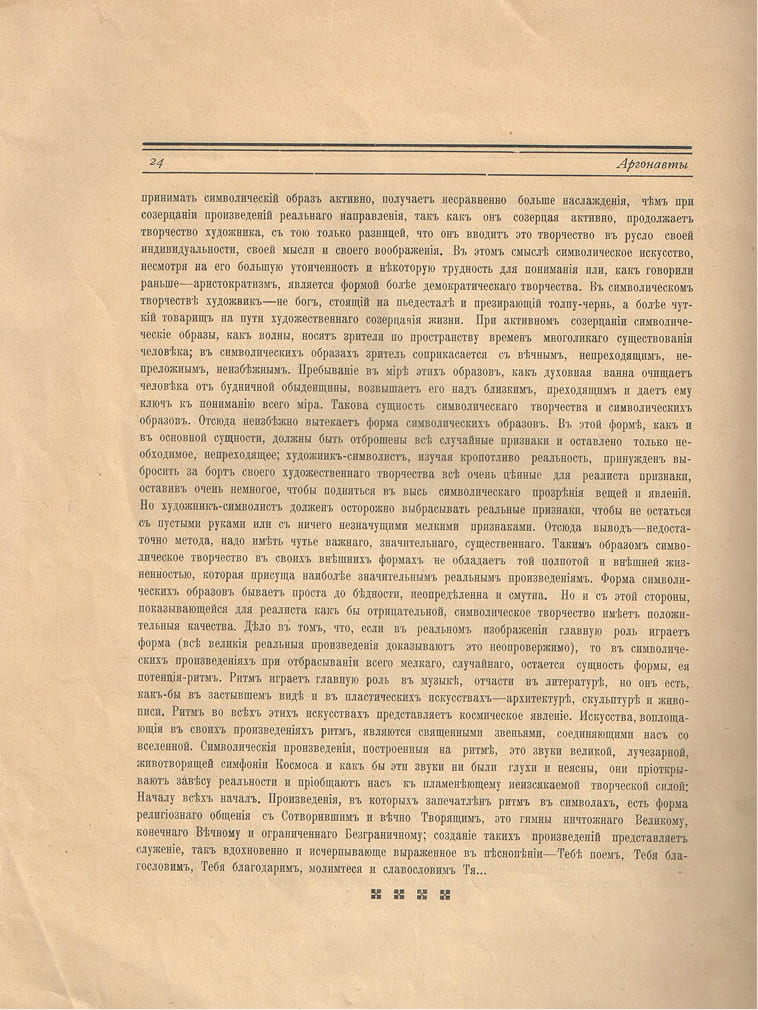
Mykhailo Sapozhnykov kept no diary and left no memoirs. Only one conceptual essay by the artist has survived to this day — “On Symbolic Creativity in Art”.
A significant part of his creative heritage is linked to the ideas and aesthetics of Symbolism — an important philosophical and artistic component of world and Ukrainian culture at the turn of the 19th and 20th centuries.
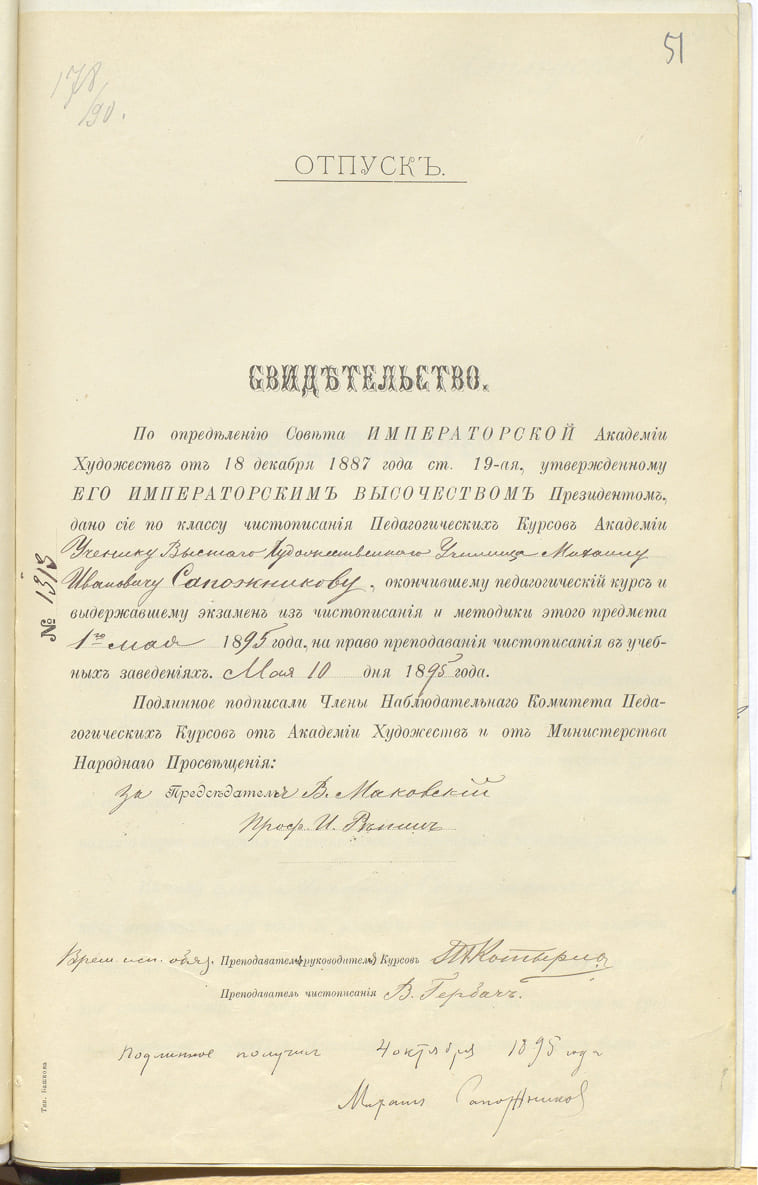
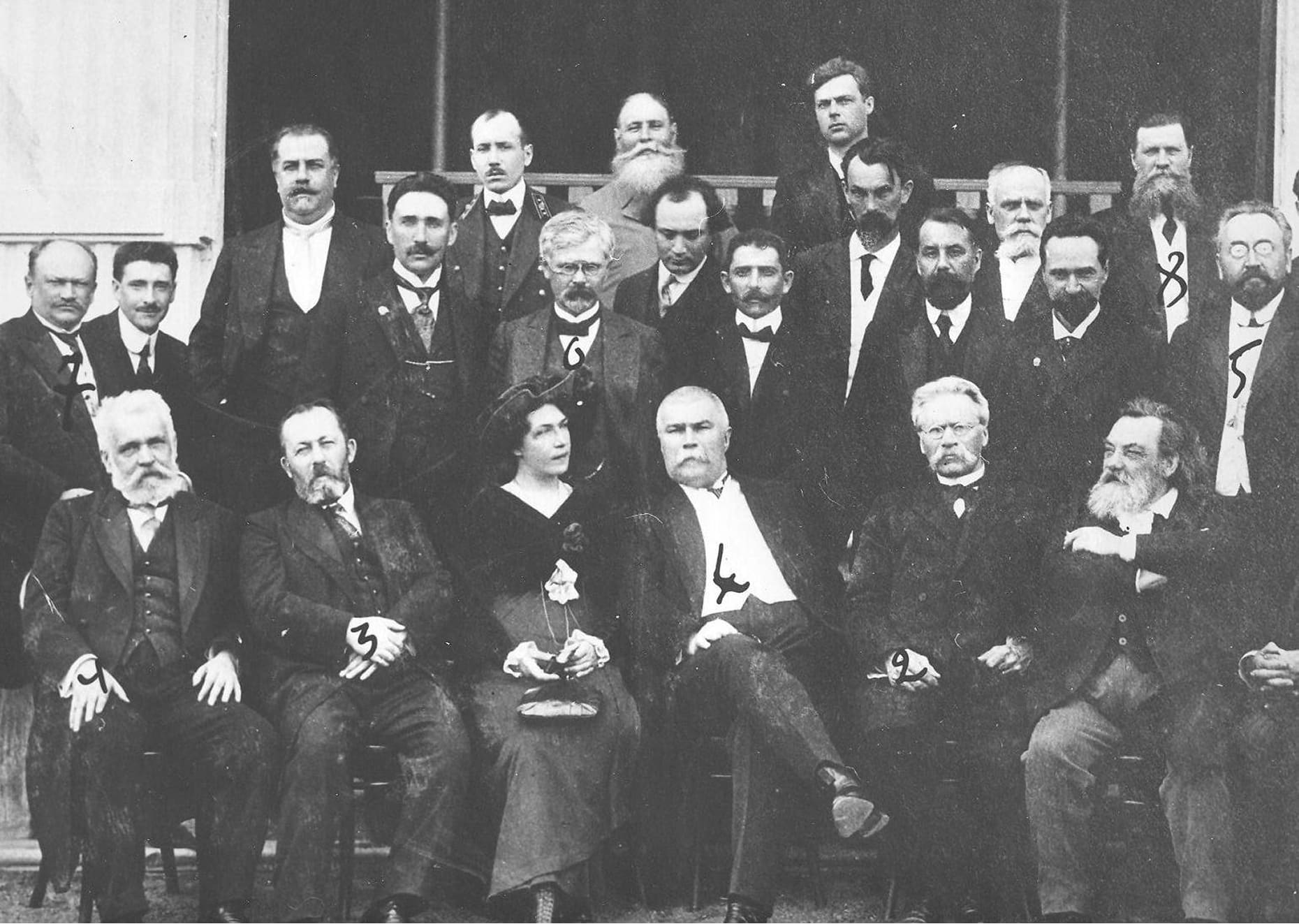
He engaged in educational and teaching activities, regularly participated as an exhibitor in local art shows, taught art courses as a member of the Art Commission of the Katerynoslav Scientific Society, and was among the initiators of the founding and opening of an Art Museum in the spring of 1914, thus rightfully considered one of its founders.
Not only his public engagement but also his creative practice was closely linked to the further activities of the Katerynoslav Art Museum, especially in its early years. Notably, the first museum exhibition representing the local artistic milieu was Sapozhnykov’s large-scale solo exhibition in 1926.
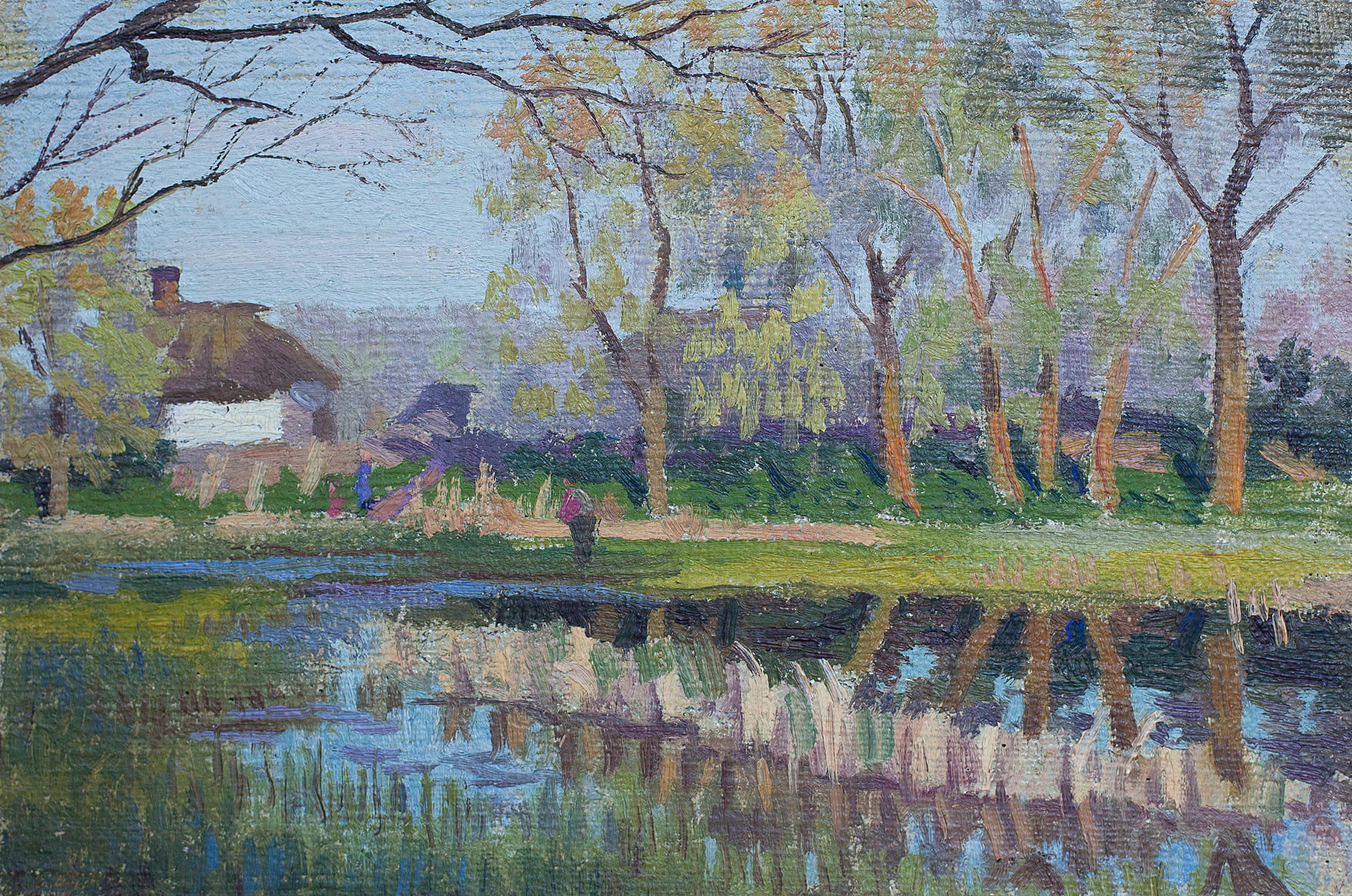
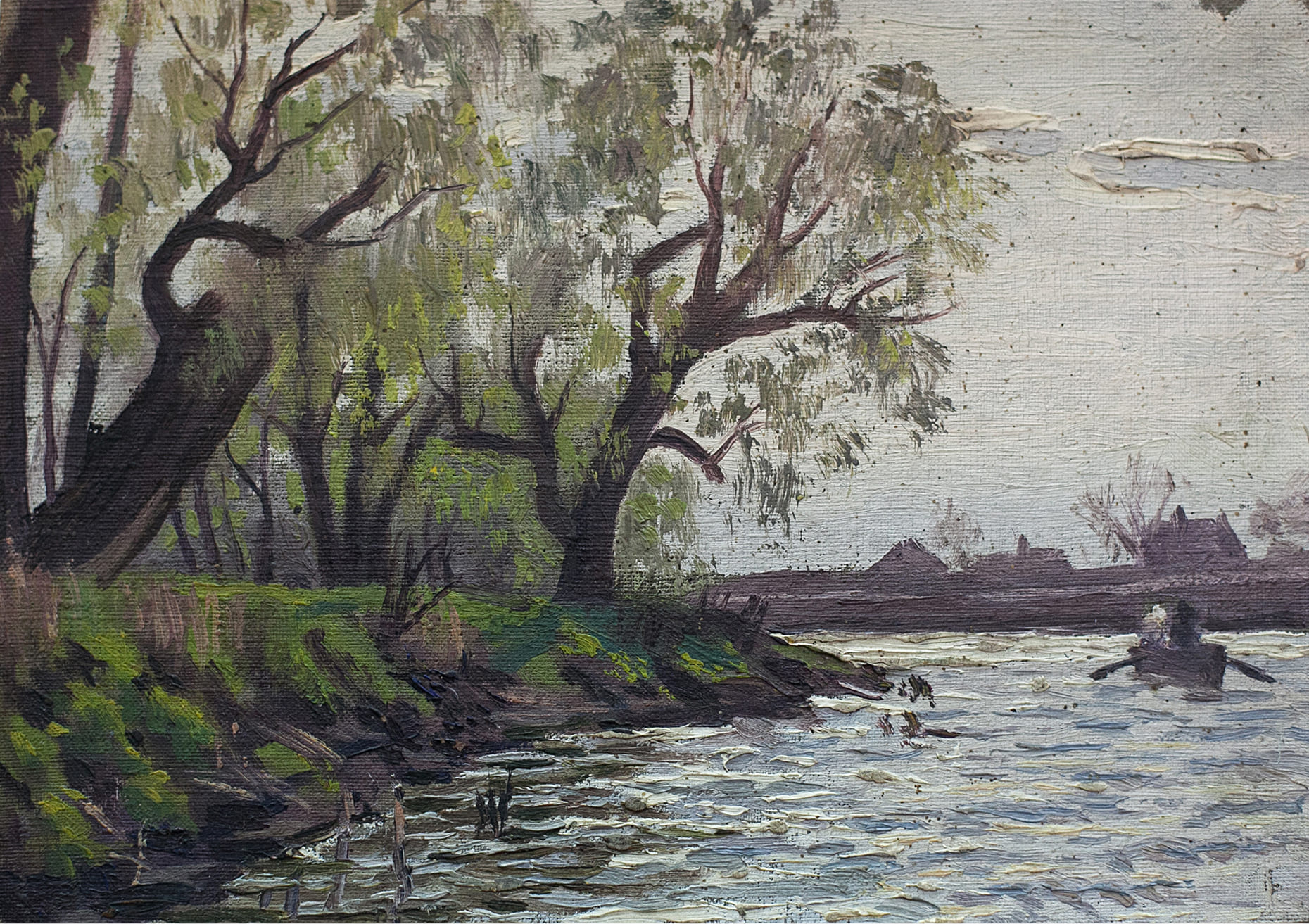
Today, the Dnipro Art Museum holds the largest known collection of Mykhailo Sapozhnykov’s works, comprising over 270 paintings and graphic works.
The museum’s collection provides a fairly comprehensive picture of the artist’s tastes and creative pursuits, spanning more than four decades of his career (1890s–1930s).
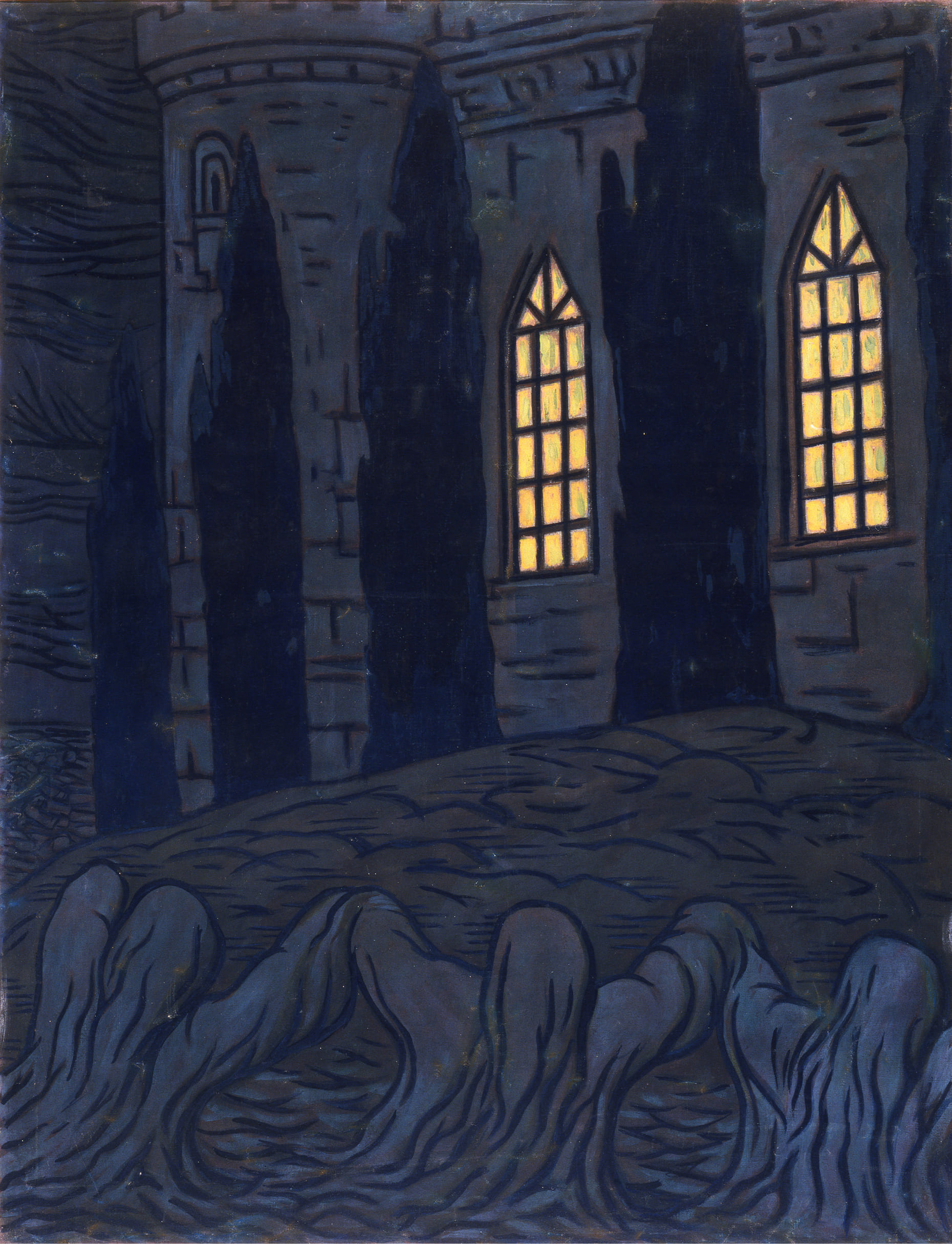
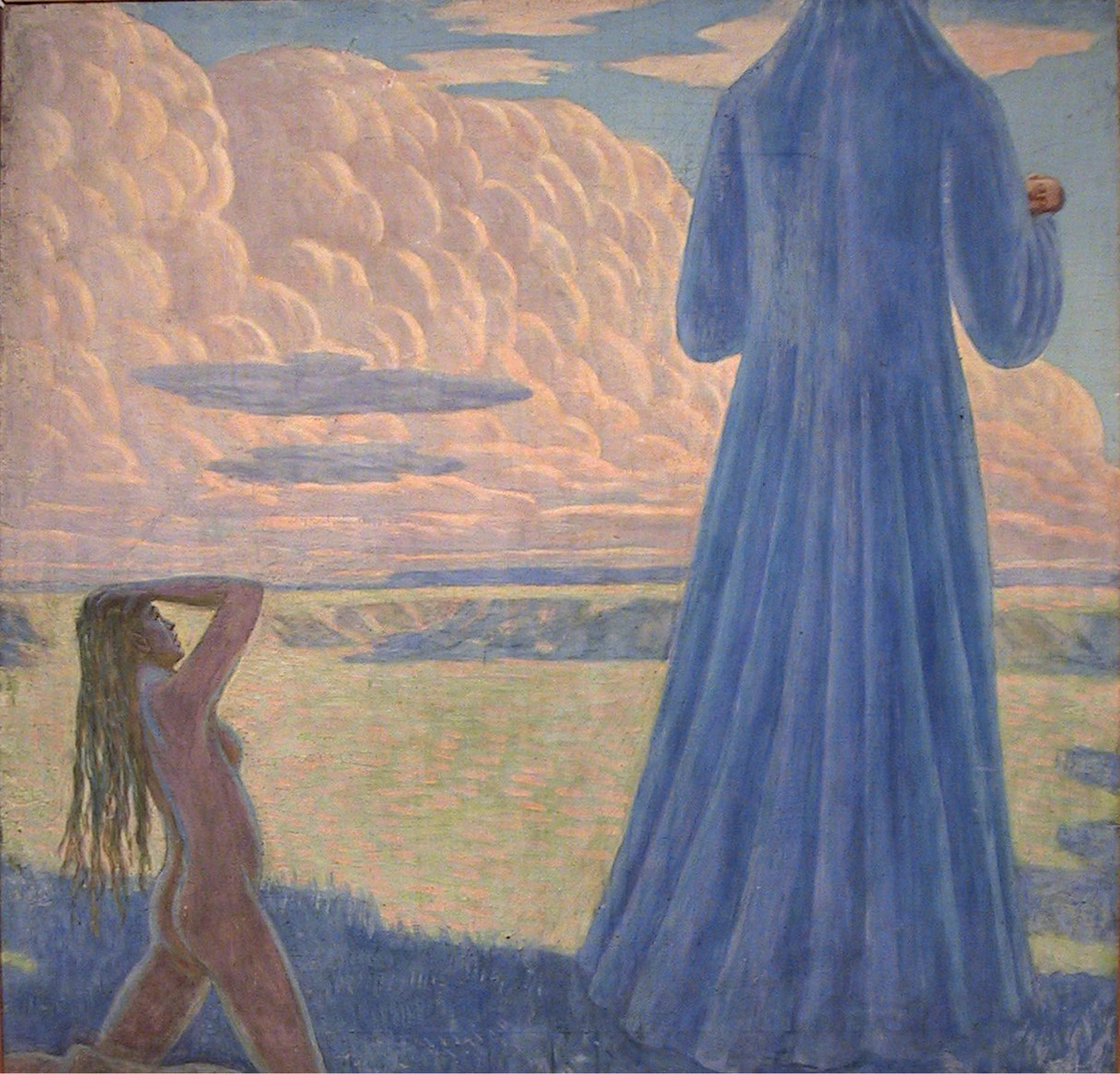
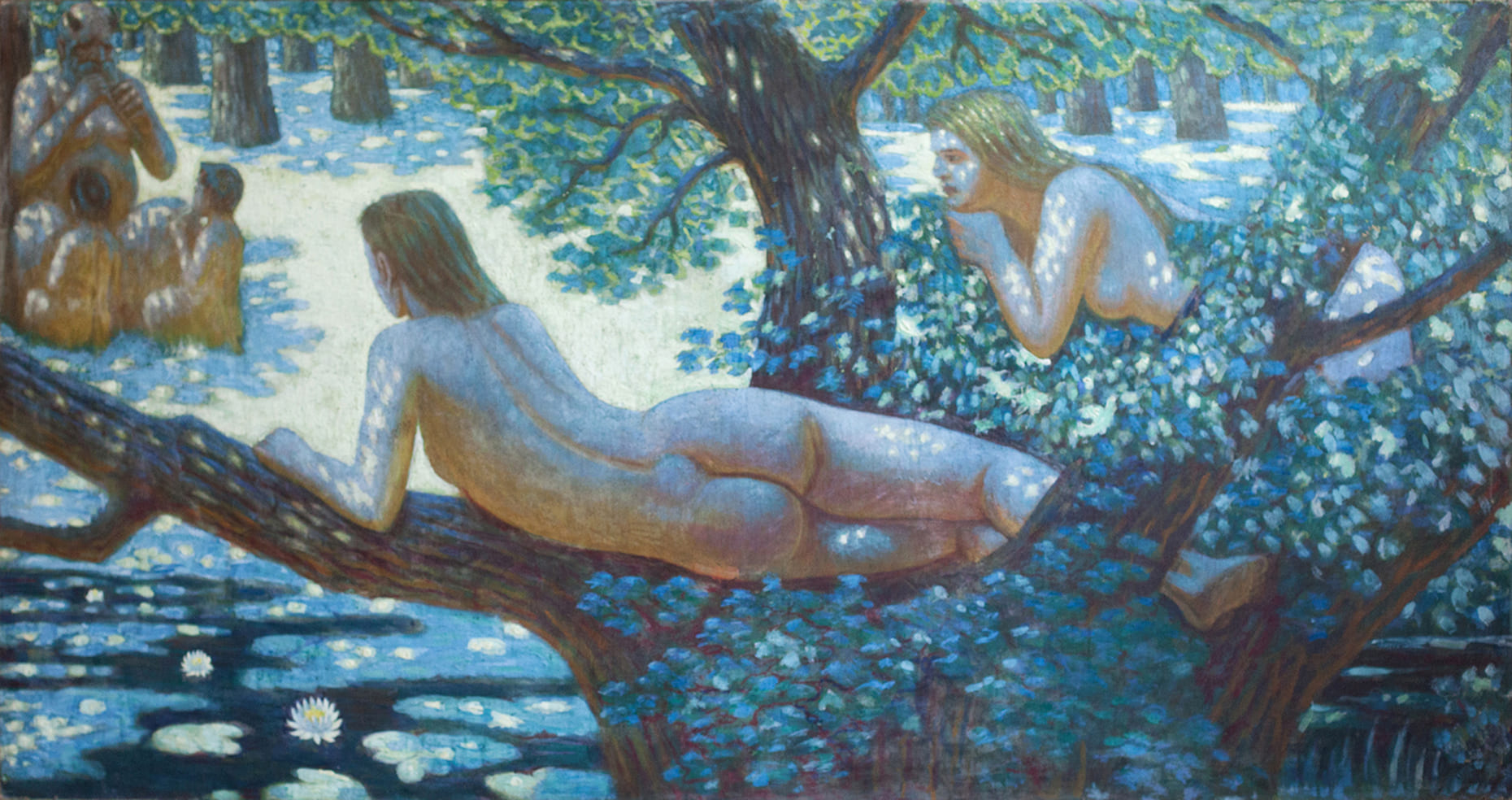
Of particular interest are his Symbolist works, grouped into two series of twelve paintings each: Series No. 1 “Visions Before Dawn” (created before 1917) and Series No. 2 (created by 1926). Although the Symbolist movement in visual art cannot be confined to a single stylistic framework, it should be noted that these two series stylistically gravitate toward Art Nouveau.
and Series No. 2 (created before 1926). Although the Symbolist movement in fine art should not be limited to a specific artistic style, it should still be noted that the works in the two series stylistically gravitate towards Art Nouveau.
The world of Sapozhnykov’s Symbolist painting is filled with mysteries and unsolved enigmas. In these series, created under the influence of revolutionary events, the First World War, and the Ukrainian War of Independence, the artist sought to reflect in images-symbols both “eternal” philosophical themes and urgent issues of his own era. He interpreted specific images, events, and the entire history of humankind on a global scale. The artist engaged deeply with the eternal categories of good and evil, light and darkness, truth and falsehood, contemplating life and death, eternity and impermanence.